
Villa Maintenance Costs: A Complete Guide for Homebuyers
Buying a villa is often associated with more space, privacy, outdoor areas and a premium lifestyle. However, the financial commitment does not end once the property is purchased.
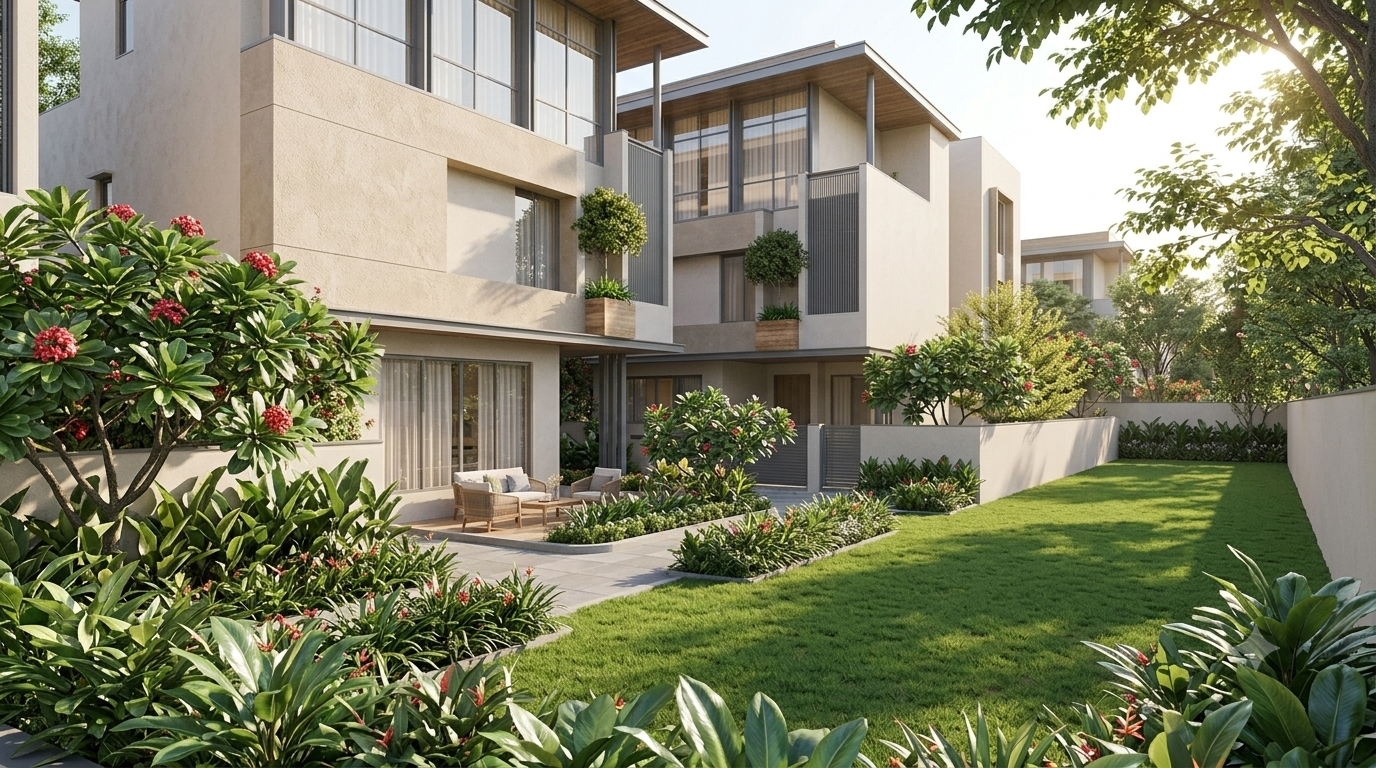
Buying a villa is often associated with more space, privacy, outdoor areas and a premium lifestyle. However, the financial commitment does not end once the property is purchased.
Like any home, a villa requires regular upkeep. Gardens need attention, exterior surfaces need maintenance, shared amenities have operating costs and building systems eventually require repair or replacement.
This is why understanding villa maintenance costs before purchasing is just as important as comparing the property's price, plot area or built-up area.
The exact cost of maintaining a villa varies depending on the size of the home, age of the property, amenities, landscaping, construction quality and whether the property is inside a professionally managed gated community.
Rather than looking for one fixed maintenance figure, buyers should understand the different expenses that can arise during ownership.
Here are the major areas to consider when planning your long-term villa maintenance budget.
1. Understand the Two Types of Villa Maintenance
Most villa maintenance costs can broadly be divided into two categories: individual villa maintenance and community maintenance.
Individual maintenance relates to the home itself, such as painting, plumbing, electrical repairs, garden maintenance, waterproofing, AC servicing, window upkeep, and terrace repairs.
Community maintenance includes expenses connected with shared spaces: security, internal roads, landscaping, clubhouse, swimming pool, sports facilities, common lighting, and waste management.
2. Gated Community Maintenance Charges
For villas inside a gated development, owners typically contribute towards maintaining shared infrastructure and services.
This supports security personnel, common-area electricity, street lighting, landscaping, clubhouse and pool maintenance, waste management, and facility management staff. Ask the developer exactly what services are included in that maintenance charge.
3. Landscaping and Garden Maintenance
A private garden is one of the most attractive features of villa living. It can also become a recurring expense.
Typical requirements may include gardening, lawn care, pruning, plant replacement, pest management, and irrigation. Think about whether you want a highly landscaped private garden or prefer a simpler outdoor environment that requires less attention.
4. Exterior Painting and Facade Maintenance
Unlike an apartment, where the exterior is usually maintained collectively, villa owners have greater responsibility for the exterior surfaces of their individual homes.
Weather exposure can gradually affect paint, facade finishes, metal elements, and wooden surfaces. Include periodic repainting in your long-term villa maintenance budget.
5. Terrace and Waterproofing Maintenance
Terraces and rooftops deserve special attention in villa maintenance. Regularly inspect terrace drainage, waterproofing layers, expansion joints, parapet walls, and external sealants. Preventive inspections are more economical than waiting for visible internal damage.
6. Plumbing and Water Systems
A larger villa may have more bathrooms, utility areas, and water connections than a typical apartment. Plan for tap replacements, shower repairs, pipe leaks, drain cleaning, pump servicing, and water tank cleaning.
7. Electrical and Air-Conditioning Costs
Larger homes contain more lighting points, electrical circuits, appliances, and air-conditioning units. Periodic servicing and electrical consumption should be factored in.
Buyers interested in environmentally conscious residential planning can review the IGBC Green Homes Rating System, which is specifically designed for the residential sector.
8. Swimming Pools and Premium Amenities
Some villa communities provide extensive shared amenities. These facilities require regular cleaning, servicing, staffing and repair, which are reflected in community expenses.
Zenora currently describes itself as a 60-villa community in Goldwins and highlights lifestyle features including the Sky Garden, Aqua Lounge, Star Deck and Private Theatre. Buyers comparing developments can explore the Zenora Villas website to understand the facilities.
9. Security and Access Management
Quality security involves recurring operational expenses for personnel, CCTV systems, gate management, and visitor access systems. These expenses form part of the regular gated community maintenance charges.
10. Common Infrastructure Requires Long-Term Upkeep
A well-maintained community also needs to care for internal roads, stormwater drainage, common plumbing, and sewage systems. Ask whether funds are collected only for routine monthly operations or if there is a reserve for major future repairs.
11. Set Aside a Reserve for Periodic Repairs
Some costs arise only once every few years, such as exterior painting, waterproofing, or replacement of pumps. Villa owners benefit from creating a separate annual maintenance reserve for these larger periodic projects.
12. Construction Quality Can Influence Maintenance Costs
Poor construction quality can create recurring repair requirements. Review exterior finishing, waterproofing, flooring, plumbing, and electrical workmanship. Good original construction quality reduces avoidable future repair bills.
13. Larger Villas Require More Upkeep
The size of the home naturally influences villa maintenance expenses. More bathrooms, larger gardens, and more windows increase the cleaning and upkeep requirements. Choose a size that suits your family's actual needs.
14. Ready-to-Move Villas Can Help Buyers Estimate Maintenance Better
With a completed villa, buyers can physically inspect the property, evaluate the garden size, exterior materials, and shared facilities, making it easier to estimate actual maintenance requirements.
15. Understand the Maintenance Structure Before Booking
Before booking, ask the developer for clarity regarding expected charges, calculation methods, revision frequencies, and individual vs. common-area responsibilities.
Also independently verify relevant project information through the Tamil Nadu Real Estate Regulatory Authority.
16. Think in Terms of Total Cost of Ownership
A realistic financial comparison considers the purchase price, regular maintenance, utilities, periodic repairs, and private landscaping together. Select a property where ongoing expenses are reasonable relative to the lifestyle and facilities provided.
For more information on villa ownership, property selection and premium residential living, buyers can explore Zenora Insights.
Summary: Villa maintenance costs include both individual villa upkeep (painting, private gardens, waterproofing) and gated community charges (security, shared pools, roads, common facilities).
Planning for these expenses from the beginning makes villa ownership far more predictable and ensures the home remains comfortable for decades.
Frequently Asked Questions
1. What are the main villa maintenance costs homeowners should expect?
Common villa maintenance costs can include community maintenance, security, landscaping, exterior painting, plumbing, electrical repairs, waterproofing, terrace upkeep, cleaning and periodic repairs. Villas inside gated developments may also contribute towards clubhouses, pools, internal roads, landscaping and other shared facilities.
2. Are villa maintenance costs higher than apartment maintenance?
The cost of maintaining a villa can be higher in certain areas because villa owners may be responsible for private gardens, terraces, exterior walls and larger living spaces. However, the actual expense depends on the size of the home, construction quality, community facilities and the level of maintenance required.
3. What is normally included in gated community maintenance charges?
Gated community maintenance charges may include security, common-area lighting, landscaping, facility management, internal road upkeep, waste management and maintenance of shared amenities such as clubhouses or swimming pools. The exact inclusions vary between projects, so buyers should request a detailed maintenance breakdown before purchasing.
4. How can homeowners reduce luxury villa maintenance costs?
Homeowners can manage luxury villa maintenance costs by choosing durable materials, addressing small repairs early, maintaining waterproofing and plumbing regularly, using energy-efficient systems and selecting landscaping that is practical to maintain. Keeping an annual reserve for larger periodic repairs can also make long-term ownership expenses more predictable.